
Home » Treatment and Services » Functional Radiation Therapy for the Treatment of Musculoskeletal and Dermatologic Conditions
Functional Radiation Therapy for the Treatment of Musculoskeletal and Dermatologic Conditions
Table of Contents
Radiation therapy (RT) is a highly effective tool for treating a variety of chronic inflammatory and fibrotic conditions, including Dupuytren’s disease, Ledderhose disease, osteoarthritis, bursitis, tendinopathy, plantar fasciitis, keloid scars, hidradenitis suppurativa, psoriasis/eczema, and heterotopic ossification. The use of RT in these conditions offers a promising alternative to more invasive interventions, providing long-term relief and improving quality of life for many patients.
ROA is proud to be one of the nation’s leading practices in the nation providing cutting edge care for the treatment of these conditions. Offering patients safe, convenient, non-invasive alternatives to common interventions which are typically used to alleviate these conditions.
Dupuytren’s Disease
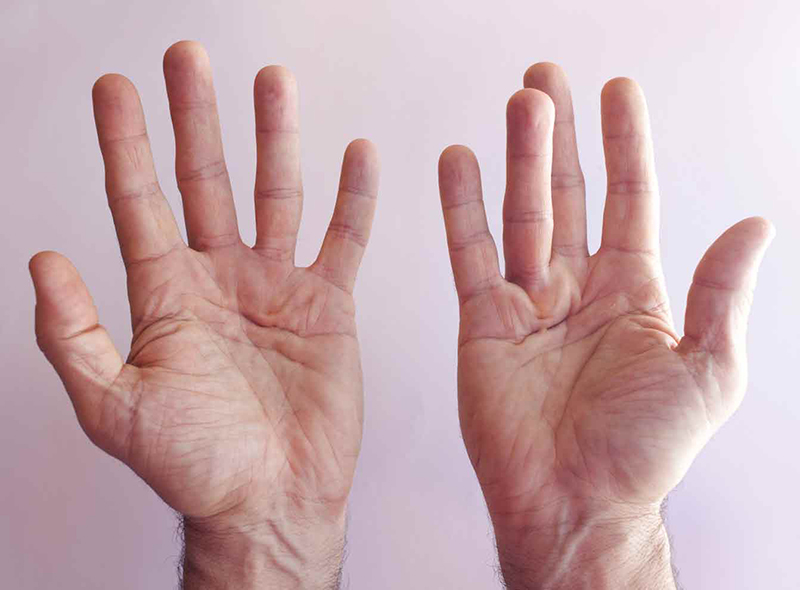
Description:
- Dupuytren’s disease is a progressive fibrotic condition that affects the palmar fascia of the hand. It leads to the formation of thickened, contractile tissue bands under the skin, resulting in progressive finger contractures, especially in the ring and little fingers.
- This condition is more common in individuals of Northern European descent and tends to affect men more often than women. The exact cause is unknown, but genetic factors play a significant role, with family history being a strong risk factor.
Natural History:
- Initial Symptoms: Typically, Dupuytren’s disease begins with the development of small, hard nodules or lumps on the palm that are often painless. As the disease progresses, these nodules can contract into cords, pulling the fingers into a bent position.
- Progression: Over time, the condition can lead to significant loss of hand function due to the inability to straighten the affected fingers, resulting in difficulty with gripping, writing, or performing other hand functions.
Benefits of Radiation Therapy (RT):
- Early Treatment: RT is most effective in the early stages when the disease manifests as palmar nodules and cords without severe contractures. RT prevents the progression of the disease and can minimize or eliminate the need for surgery.
- Non-Invasive Option: RT provides a less invasive option compared to surgery, which can carry risks such as nerve damage and recurrence.
Literature Supporting RT in Dupuytren’s Disease:
- Brüggemann et al. (2014) - A study that concluded that low-dose RT is effective in treating early Dupuytren's disease, reducing progression of contractures.
- Brüggemann et al. Study on RT and Dupuytren's Disease
Ledderhose Disease
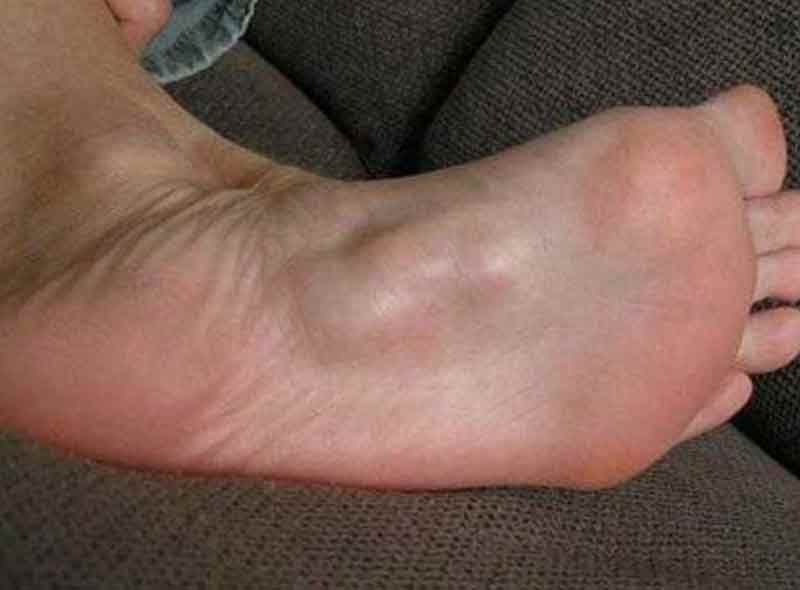
Description:
- Ledderhose disease is similar to Dupuytren’s disease but occurs in the plantar fascia of the feet. It causes the formation of fibrous nodules on the soles of the feet, leading to pain, difficulty walking, and potential deformity.
Natural History:
- Initial Symptoms: Early symptoms include the development of lumps or nodules on the sole of the foot, often accompanied by mild discomfort.
- Progression: As the disease progresses, the nodules can increase in size and number, causing severe pain during walking and pressure, potentially leading to significant functional impairment.
Benefits of Radiation Therapy (RT):
- Prevents Nodule Growth: RT can effectively reduce the size of the nodules and prevent further fibrotic changes, especially when used in the early stages.
- Non-Surgical Option: RT can help avoid surgery, which carries risks of infection, scarring, and possible recurrence.
Literature Supporting RT in Ledderhose Disease:
- Pätzold et al. (2011) - A study that explored the effectiveness of low-dose radiation therapy in treating Ledderhose disease, showing promising results in reducing nodule size and preventing disease progr
- Pätzold et al. Study on RT and Ledderhose Disease
Osteoarthritis
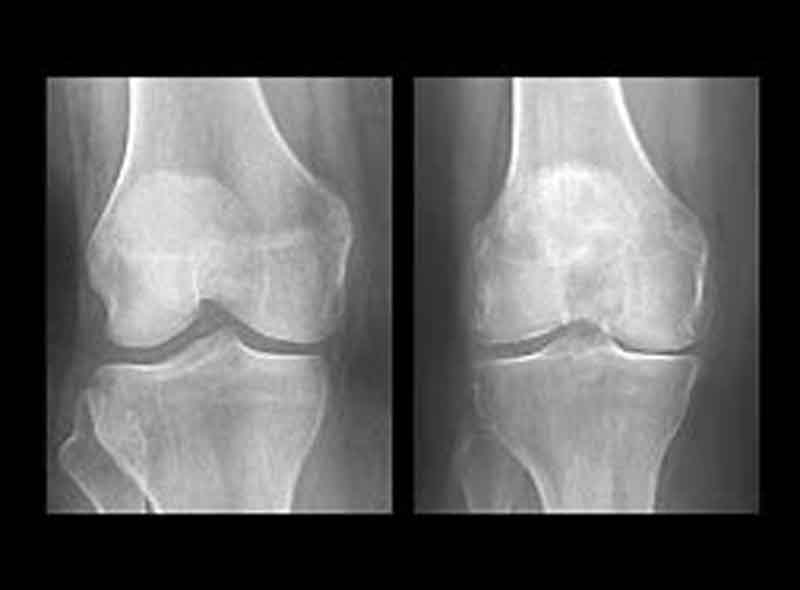
Description:
- Osteoarthritis (OA) is a degenerative joint disease characterized by the breakdown of cartilage, leading to pain, swelling, and loss of joint function. It commonly affects weight-bearing joints such as the knees, hips, and spine, but it can also affect smaller joints like the fingers.
Natural History:
- Early Symptoms: OA typically starts with mild joint stiffness and pain that worsens with activity.
- Progression: As the disease progresses, the cartilage continues to break down, causing further pain, swelling, and loss of joint movement. Bone spurs may develop, leading to deformity.
- End-Stage Disease: In severe cases, OA may cause significant disability, leading to joint replacement surgery.
Benefits of Radiation Therapy (RT):
- Pain Reduction: RT has been shown to significantly reduce pain and inflammation in joints affected by OA.
- Slows Progression: RT may help reduce the breakdown of cartilage, preventing or slowing the need for more invasive interventions like joint replacement.
Literature Supporting RT in Osteoarthritis:
- Kramer et al. (2009) - This review article discusses the use of low-dose RT in the management of osteoarthritis, demonstrating its potential to reduce pain and improve function.
- Kramer et al. Study on RT and OA
Bursitis
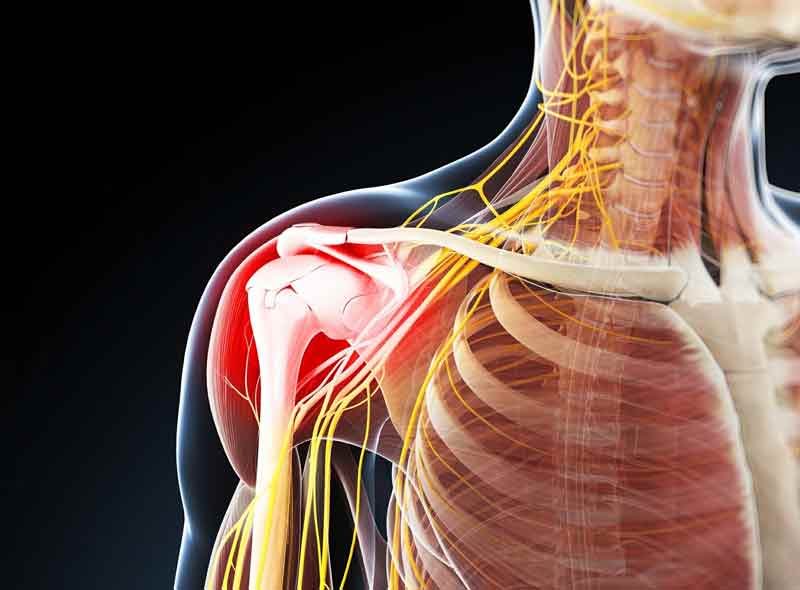
Description:
- Bursitis is the inflammation of the bursa, a small fluid-filled sac that cushions the joints and reduces friction. It is commonly caused by repetitive motion or trauma, affecting areas like the shoulder, elbow, or hip.
Natural History:
- Acute Phase: Symptoms include localized pain, swelling, and tenderness, often exacerbated by movement.
- Chronic Phase: If untreated, bursitis can become chronic, leading to persistent pain and restricted range of motion.
Benefits of Radiation Therapy (RT):
- Reduces Inflammation: RT can significantly reduce the inflammation associated with bursitis, providing long-term relief.
- Avoids Steroid Injections: For patients who cannot tolerate or prefer to avoid steroid injections, RT provides an alternative that can reduce the need for repeated injections.
Literature Supporting RT in Bursitis:
- Becker et al. (2003) - This study demonstrated the efficacy of RT in treating chronic bursitis, particularly in reducing inflammation and improving joint function.
- Becker et al. Study on RT and Bursitis
Tendinopathy
Description:
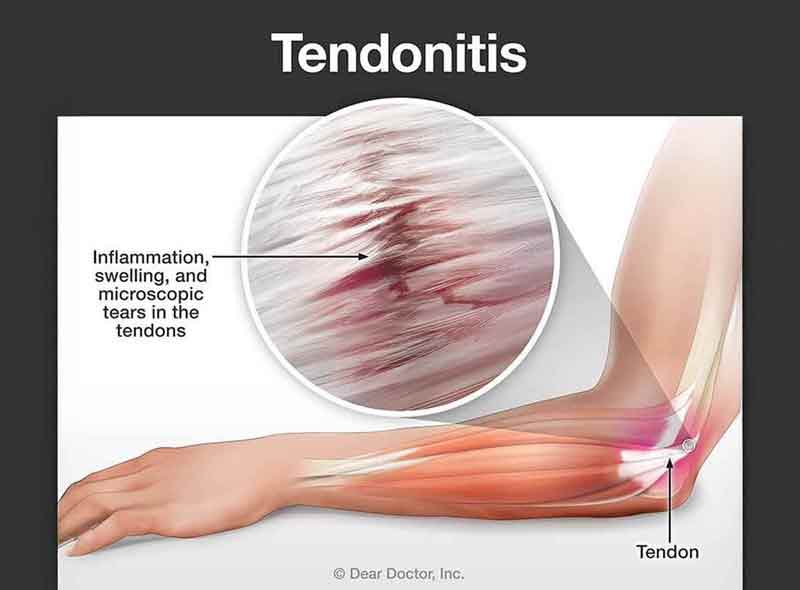
- Tendinopathy refers to the degeneration of a tendon, typically caused by overuse or aging. It commonly affects tendons in the shoulder, elbow, knee, and Achilles tendon, leading to pain, stiffness, and impaired function.
Natural History:
- Initial Symptoms: Tendinopathy often starts with mild pain or tenderness at the site of the tendon, usually exacerbated by activity.
- Progression: If left untreated, the condition can become chronic, leading to continued pain, tendon thickening, and loss of function.
Benefits of Radiation Therapy (RT):
- Promotes Healing: RT stimulates collagen formation and promotes healing in the affected tendon, potentially speeding up recovery.
- Pain Relief: RT is effective at reducing pain and inflammation, especially in chronic cases of tendinopathy.
Literature Supporting RT in Tendinopathy:
- Viglione et al. (2015) - A study that evaluated the use of RT for treating chronic tendinopathy, showing significant improvement in symptoms and reduced recovery time.
- Viglione et al. Study on RT and Tendinopathy
Low-Dose Radiation Therapy (LDRT) for Plantar Fasciitis

Low-dose radiation therapy (LDRT) is an emerging, non-surgical treatment option for patients suffering from chronic plantar fasciitis that has not responded to conventional therapies. At Radiation Oncology Associates of the National Capital Region, we use advanced radiation technology to deliver very small doses of radiation precisely to inflamed tissue in order to reduce inflammation and relieve pain.
Understanding Plantar Fasciitis
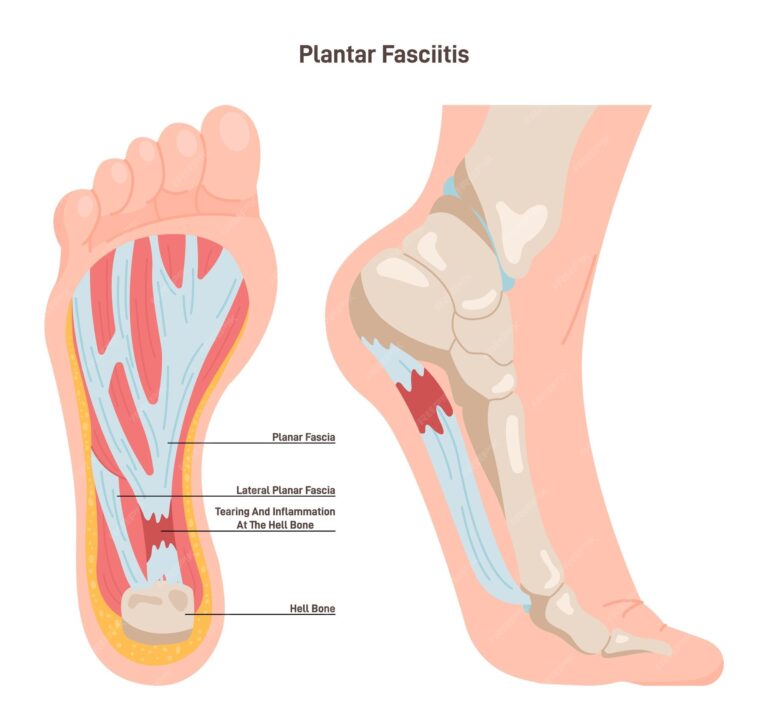
Plantar fasciitis is one of the most common causes of heel pain. It occurs when the plantar fascia—a thick band of connective tissue that runs along the bottom of the foot from the heel bone to the toes—becomes inflamed or irritated. This tissue helps support the arch of the foot and absorbs mechanical stress during walking, running, and standing.
Over time, repeated stress can cause small tears in the fascia. The body’s inflammatory response to these micro‑injuries leads to pain, stiffness, and difficulty walking.
Common Symptoms
- Sharp heel pain when taking the first steps in the morning
- Pain after long periods of standing or walking
- Tenderness at the bottom of the heel
- Stiffness or tightness in the arch of the foot
- Pain that improves with movement but returns later in the day
Risk Factors
- Long periods of standing or walking
- High-impact activities such as running
- Flat feet or high arches
- Improper footwear
- Weight gain or obesity
- Tight calf muscles or Achilles tendon
Conventional Treatments
Most patients improve with conservative treatment approaches. These therapies aim to reduce stress on the plantar fascia and allow the tissue to heal.
- Stretching exercises and physical therapy
- Custom orthotics or supportive footwear
- Anti-inflammatory medications
- Corticosteroid injections
- Night splints
- Activity modification
However, some patients continue to experience pain for many months despite these treatments. In these cases, additional options may be considered before surgery. One such option is low-dose radiation therapy.
What Is Low-Dose Radiation Therapy?
LDRT uses very small doses of radiation to treat inflammatory conditions. Unlike radiation therapy used for cancer, the doses used for benign conditions are extremely low. The goal is not to destroy tissue but to influence the body’s inflammatory response.
This technique has been used for decades in Europe to treat inflammatory musculoskeletal disorders including plantar fasciitis, osteoarthritis, tennis elbow, and Dupuytren’s disease.
How LDRT Works
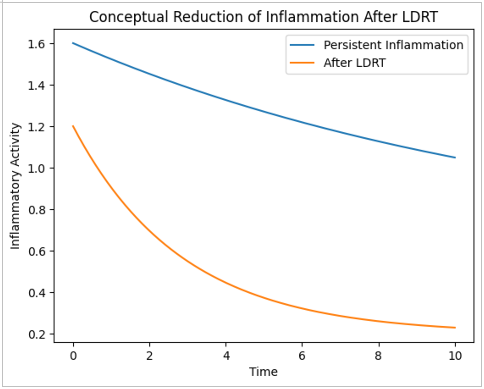
Scientific studies suggest that low doses of radiation can influence inflammatory pathways in the body. The therapy appears to:
- Reduce inflammatory cytokines
- Decrease activity of inflammatory immune cells
- Reduce tissue swelling
- Interrupt chronic inflammatory signaling pathways
- Gradually reduce pain perception
Who Is a Candidate for LDRT?
LDRT may be considered for patients who:
- Have plantar fasciitis symptoms lasting longer than six months
- Have not responded to standard conservative treatments
- Are seeking alternatives to surgery
- Prefer a non-invasive treatment approach
What to Expect During Treatment
Low-dose radiation therapy is performed in an outpatient radiation oncology clinic and typically involves a short course of treatments.
Initial consultation and evaluation with a radiation oncologist
Simple treatment planning to identify the painful area of the foot
Six brief radiation treatments delivered over two to three weeks
Each session lasting approximately 10 minutes
Patients are able to walk normally after each treatment and can continue their normal daily activities during the treatment course.
Benefits of LDRT
- Non-invasive treatment
- No anesthesia or surgery required
- Minimal side effects
- Short treatment sessions
- Return to normal activities immediately
- Can be used when other therapies fail
Safety and Side Effects
The radiation doses used in LDRT are extremely small. Most patients experience no side effects during treatment. When carefully delivered to a small treatment area, the long-term risks of radiation are considered very low.
Frequently Asked Questions
- Is radiation safe for plantar fasciitis?
The doses used are far lower than those used to treat cancer and are delivered to a small area of the foot.
- How soon will I feel better?
Some patients notice improvement within weeks, while others experience gradual relief over several months.
- Does the treatment hurt?
No. Radiation treatments are painless and typically take only a few minutes.
- Will I need more than one treatment course?
In some cases, a second course may be considered if symptoms persist.
Schedule a Consultation
If chronic plantar fasciitis is limiting your mobility or quality of life, low-dose radiation therapy may offer meaningful relief. Contact ROA to learn whether this treatment may be appropriate for you.
Keloid Scarring
Description:
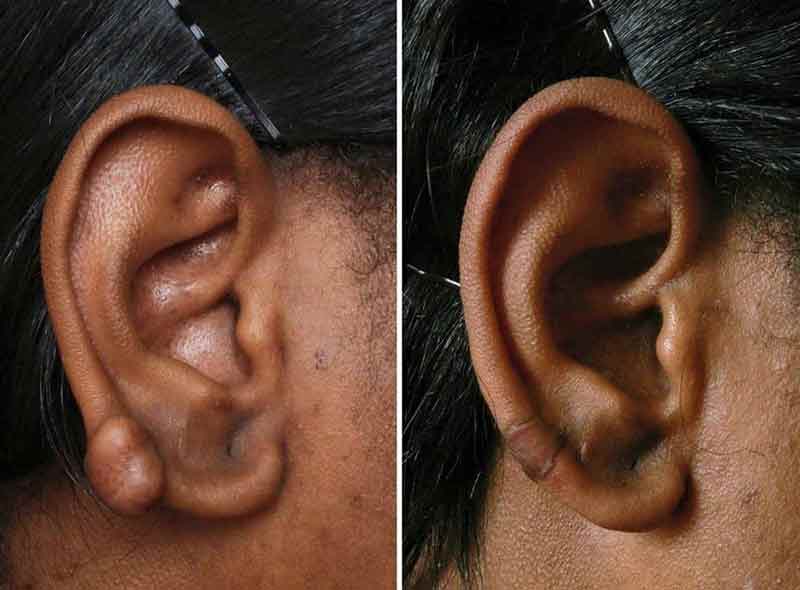
- Keloids are overgrowths of scar tissue that form at the site of an injury, resulting in raised, thick scars that can cause pain, itching, and cosmetic concerns.
Natural History:
- Initial Symptoms: Keloids can form after a trauma or surgical procedure, growing beyond the original wound site.
- Progression: Over time, they may become larger and more prominent, causing discomfort and significant cosmetic deformities.
Benefits of Radiation Therapy (RT):
- Prevents Recurrence: RT can prevent the recurrence of keloids following surgery or injury by inhibiting the formation of excessive scar tissue.
- Reduces Size and Pain: RT can reduce the size, redness, and pain associated with existing keloid scars.
Literature Supporting RT in Keloid Scarring:
- Tata et al. (2002) - This study showed that RT is highly effective in preventing the recurrence of keloid scars after excision, demonstrating long-term benefits.
- Tata et al. Study on RT and Keloids
Hidradenitis Suppurativa
Description:
- Hidradenitis Suppurativa (HS) is a chronic inflammatory skin condition that results in painful abscesses and tunnels (sinus tracts) under the skin, typically in areas where skin rubs together
Natural History:
- Initial Symptoms: The condition begins with small, painful bumps or abscesses in the skin folds (e.g., armpits, groin).
- Progression: Over time, the abscesses can grow and become recurrent, leading to scarring and potential disability.
Benefits of Radiation Therapy (RT):
- Reduces Flare-Ups: RT has been shown to reduce the frequency and severity of HS flare-ups, providing long-term symptom relief.
- Avoids Long-Term Antibiotics: RT can reduce the need for long-term antibiotics, which are often used to manage bacterial infections in HS.
Literature Supporting RT in Hidradenitis Suppurativa:
- Bram et al. (2017) - A study evaluating the effectiveness of low-dose RT in treating HS, showing significant improvement in flare-ups and pain reduction.
- Bram et al. Study on RT and Hidradenitis Suppurativa
Psoriasis/Eczema
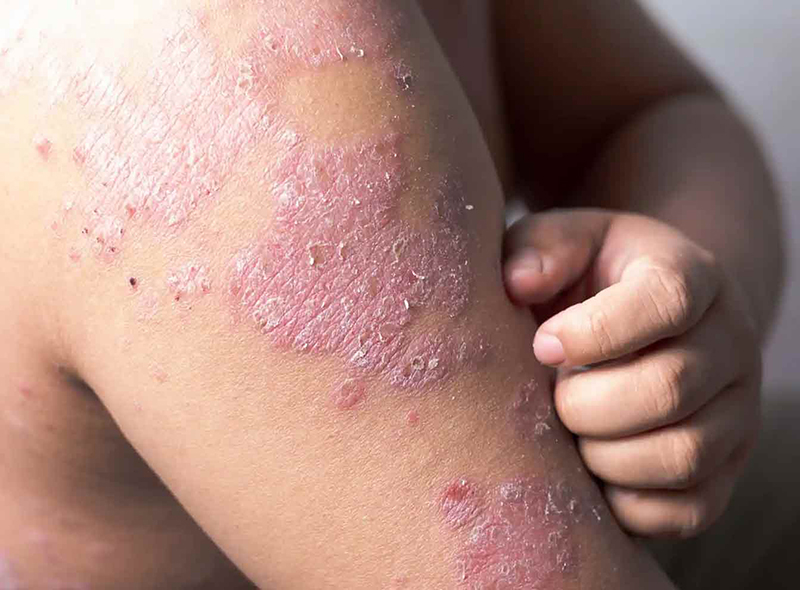
Description:
- Psoriasis is an autoimmune condition that causes skin cells to grow rapidly, leading to red, scaly plaques, while eczema is a term used for a range of inflammatory skin conditions that cause itching, redness, and inflammation.
Natural History:
- Flare-Ups: Psoriasis and eczema have a cyclical pattern, with flare-ups and remissions over time.
- Chronic Course: Both conditions can become chronic, leading to persistent skin irritation and significant cosmetic concerns.
Benefits of Radiation Therapy (RT):
- Skin Healing: RT can promote the healing of lesions and control flare-ups, especially when other treatments have failed.
- Non-Pharmacologic: RT provides a non-pharmacologic treatment option for patients who have not responded to topical treatments.
Literature Supporting RT in Psoriasis/Eczema:
- Lee et al. (2007) - A study demonstrating the efficacy of RT in treating severe psoriasis and eczema, showing improved outcomes when topical treatments had failed.
- Lee et al. Study on RT and Psoriasis
Heterotopic Ossification

Description:
- Heterotopic ossification is the abnormal formation of bone in soft tissues, often as a result of trauma, surgery, or neurological injury, leading to pain, stiffness, and decreased joint mobility.
Natural History:
- Initial Symptoms: Symptoms include pain, swelling, and limited range of motion in the affected joint or area.
- Progression: The condition can lead to permanent joint stiffness and loss of function if not managed.
Benefits of Radiation Therapy (RT):
- Prevents Bone Formation: RT is effective at preventing the formation of abnormal bone in soft tissues, reducing the need for surgical interventions.
- Improves Mobility: By inhibiting abnormal bone growth, RT helps maintain range of motion and prevent permanent disability.
Literature Supporting RT in Heterotopic Ossification:
- Dautel et al. (1997) - This study showed that RT is highly effective in preventing and treating heterotopic ossification after total hip replacement and other surgeries.
- Dautel et al. Study on RT and Heterotopic Ossification
Radiation Services & Technology
Intraoperative
Radiotherapy
Brachytherapy
Treatment
Cyberknife
System
Stereotactic Body
Radiosurgery
Image Guided
Radiation Therapy
Intensity Modulated
Radiation Therapy
Selective Internal
Radiation Therapy
Proton Beam
Radiotherapy
Pediatric
Radiation Oncology
Radiation Therapy
Benign Disease
Radioisotope
Therapy
Stereotactic
Radiosurgery